

02/01/2026
No Comments
Silver remains a preferred jewellery metal because of its elegance, durability, and investment value. However, the market also contains imitation alloys, nickel-plated metals, and low-grade pieces often passed off as real silver. While professional testing through a certified jeweller offers definitive clarity, several reliable checks can be performed at home to assess authenticity.
Below are the most commonly accepted, non-destructive techniques for identifying genuine silver jewellery with confidence.
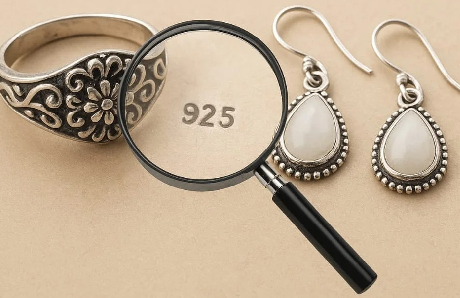
1. Check for Hallmarks or Purity Stamps
Authentic silver is usually stamped with purity markings such as:- 925 or 5 – indicating sterling silver
- 999 – indicating fine, almost pure silver
- S925 or Sterling – common in contemporary jewellery
2. Perform the Magnet Test
Silver is not a magnetic metal. Hold a small household magnet near the jewellery—if it strongly attracts, the metal likely contains iron, nickel, or other base alloys. A slight pull does not confirm authenticity; it only indicates the metal may not be pure and requires further validation.3. Conduct a Gentle Rub Test
Rub the jewellery with a soft white cloth or tissue. Pure silver may leave a faint black residue because silver reacts with oxygen and sulphur. This mild oxidation is normal for sterling silver and should not be confused with tarnish from inferior metals.4. Use the Ice Contact Method
Silver is an excellent heat conductor. Place an ice cube on the metal surface and observe the rate at which it melts. Genuine silver will accelerate melting, while plated or base-metal jewellery will show little temperature responsiveness.5. Listen for the Ring Test
Tap the jewellery lightly using a metallic object (e.g., a coin).- Real silver usually creates a clean, bell-like ringing
- Fake metals often produce a dull or muted
6. Look for Tarnish Behaviour
Sterling silver may oxidise and develop a soft dark layer over time—this is a natural chemical reaction. Base metals frequently flake, chip, or turn green against the skin. If jewellery causes green discoloration or irritation, nickel or copper content is likely high.7. Examine Weight and Texture
Silver has a distinct weight—it feels neither too light nor overly dense.
Extremely light jewellery may indicate aluminium alloys or silver-plated brass, while rough seams or irregular coatings indicate inferior manufacturing.8. Use a Mild Vinegar Spot Test (With Caution)
Place a single drop of white vinegar on a discreet area of the jewellery.- Real silver generally remains
- Fake metals may show
9. Smell the Metal
Pure silver has no noticeable odour. If the jewellery emits a strong metallic or sulphur-like smell, it may contain higher base metal composition.10. Compare With a Verified Silver Piece
If you own a certified sterling silver item, compare:- weight
- shine
- texture
- sound
When Home Tests Are Not Enough
While these tests are informative, they should not replace professional verification for:- high-value jewellery
- gemstones or precious overlay work
- wedding or investment purchases