

02/01/2026
No Comments
1. Benefits of Wearing Silver Jewellery for Health & Style
Silver has held enduring economic and cultural value across ancient and modern societies. It remains one of the few metals that seamlessly links tradition, scientific relevance, aesthetic appeal, and lifestyle utility. As consumer preferences shift toward practical luxury, silver jewellery continues to be embraced for its sophistication, durability, and long-term wearability. Below are the key advantages that position silver as a preferred choice for both personal adornment and mindful living.1. Style Enhancement with Contemporary Elegance
Silver’s neutral tone delivers understated sophistication, ensuring it complements multiple wardrobes—from traditional Indian ensembles to modern, minimalist silhouettes. Unlike heavier metals, silver elevates personal style without dominating the overall look, making it a favoured option for subtle daily elegance and refined evening dressing. Its visual versatility appeals to diverse age groups, positioning silver as both fashion-forward and timeless.2. A Luxury Experience at an Accessible Price Point
For consumers seeking premium craftsmanship without the prohibitive cost of gold or platinum, silver provides an ideal middle ground. It enables jewellery enthusiasts to experiment with new designs, seasonal trends, and multiple purchase occasions without compromising on quality. This affordability encourages regular collection-building and makes silver a sustainable entry into luxury jewellery ownership.3. Historical Association with Antimicrobial Behaviour
Silver has been referenced for centuries in scientific, cultural, and medicinal contexts due to its antimicrobial tendencies. Although jewellery is not categorised as medical equipment, the metal was traditionally used in water storage, wound care and purification rituals because of its resistance to bacterial influence. This legacy continues to shape silver’s modern identity as a material associated with hygiene, cleanliness, and protection.
4. Cultural Belief in Thermal Regulation
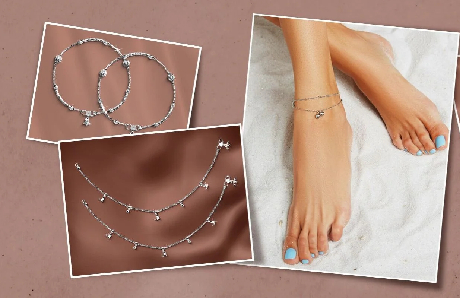
Traditional wellness systems frequently classify silver as a “cooling metal,” suggesting it may help moderate body heat and support physical comfort during warmer conditions. While responses may vary, many wearers continue to embrace silver for this perceived thermal balance, particularly in tropical climates. These cultural interpretations contribute to silver’s popularity in anklets, toe rings, and everyday wear.5. A Responsive Indicator of Skin Chemistry
Silver is known to react when exposed to certain environmental or biological elements, including sulphur, perspiration, and body acidity. When a piece darkens or tarnishes, some individuals interpret this shift as a sign of changing body chemistry or environmental stress. Though not a diagnostic tool, silver’s responsiveness reinforces its perception as a “living metal” that interacts with the wearer.6. A Safe Alternative for Sensitive Skin
Imitation alloys and nickel-based costume jewellery often trigger irritation, rashes, or allergic reactions. Sterling silver, by contrast, presents a hypoallergenic composition that is more suitable for long-term skin contact. This makes silver a preferred option for nose jewellery, continuous-wear earrings, infant accessories, and office-wear chains, where comfort is a priority.7. Cultural and Spiritual Alignment
In India and several global traditions, silver symbolises purity, auspicious beginnings, and emotional protection. It is frequently selected for new-born gifting, daily-wear ornaments, festive accessories and bridal jewellery components—not only for its beauty but for its symbolic assurance. This cultural alignment strengthens silver’s emotional and ceremonial relevance.8. Sustainability and Long-Term Value
Silver is fully recyclable, structurally resilient, and easy to re-polish. As consumers grow more conscious about environmental commitments, silver represents a responsible luxury option that avoids the disposability associated with fast fashion accessories. Its maintainability ensures longevity, reducing replacement cycles and preserving value.9. Growing Relevance in Men’s Jewellery
Contemporary men are increasingly integrating bracelets, chains, rings, and lapel accessories crafted in silver due to the metal’s restrained elegance. Silver conveys confidence without flamboyance, supporting both business attire and casual expressions. This shift positions silver as a progressive category in the men’s luxury accessory market.10. A Universal Gifting Choice
Whether for weddings, festivals, corporate moments, anniversaries, or milestone celebrations, silver jewellery is widely recognised as an appropriate and meaningful gift. It carries emotional permanence, commercial accessibility, and broad acceptance across cultures and age groups. This gifting versatility supports both personal sentiment and corporate representation.Selecting Silver Responsibly
Buyers are encouraged to verify the 92.5 sterling hallmark, evaluate craftsmanship, seek certified vendors, and consider anti-tarnish finishes that preserve brilliance. These measures ensure authenticity, durability, and long-term return on investment. A well-selected silver piece can last generations and retain aesthetic relevance.